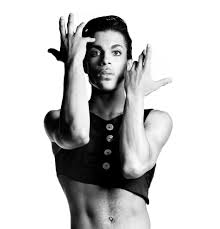
Yeah, I was completely baiting you when I said that this 1986 stone cold classic and eighth stop on our annual trawl through the most interesting back catalogue in 20th century pop might have been named the best album of 2025. It isn’t, and no Prince album on this journey ever will be named as the album of the year: While these annual lists can contain records from all kinds of points in recent and ancient musical history (this year’s list already has ancient texts dating all the way back from 2022), the #1 album always needs to have been released in the qualifying 12 month period. I’m not saying that my personal favourite ever Prince album would have been named #1 if it could, all I’m saying is that it couldn’t. It also means the competition announced on Christmas Day is still open! Nobody’s won it yet! Nobody’s entered it, admittedly, but I assume that’s because all my millions (and millions!) of readers are still just thinking really hard about it.
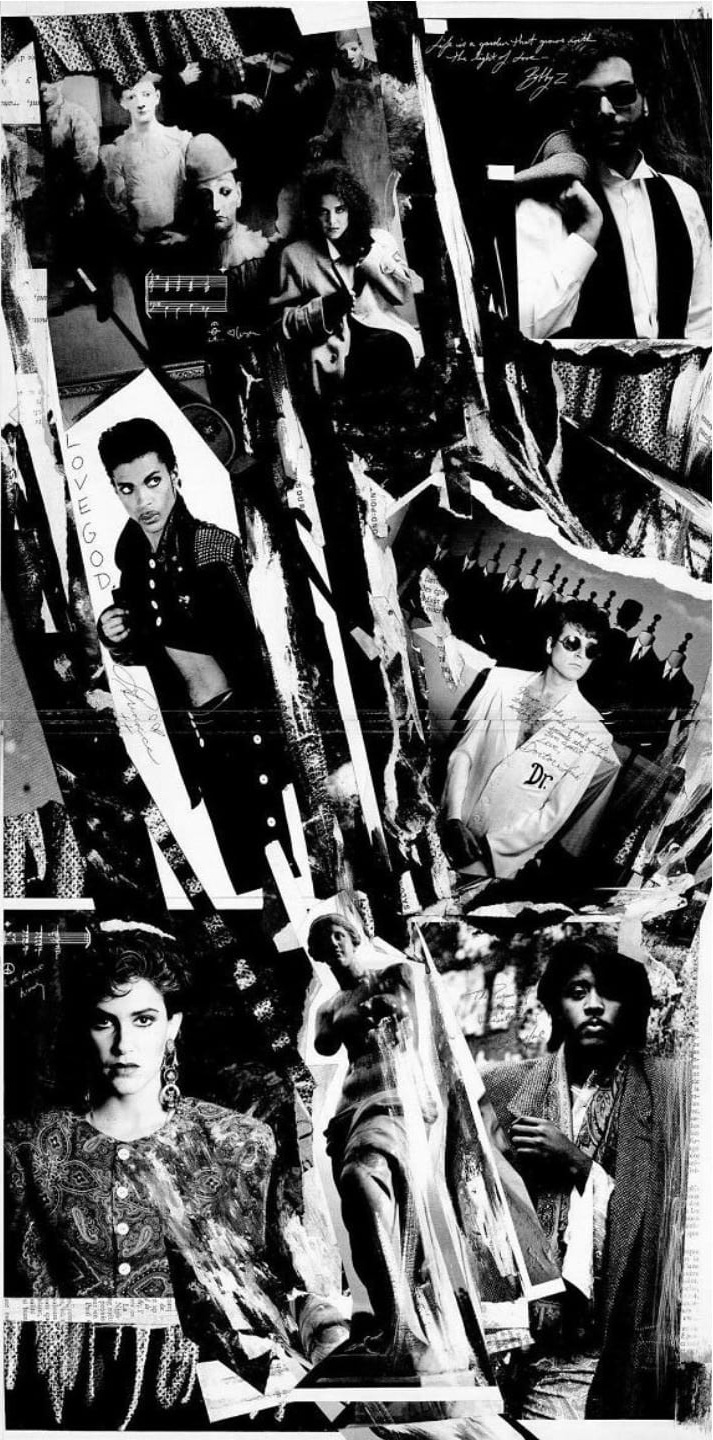
By 1986, it had essentially always been Prince and The Revolution. Ever since Prince needed a backing band to tour his recently released (and completely self-composed) debut album in 1979, that group (Dez Dickerson on guitar and backing vocals, Andre Cymone on bass guitar, Bobby Z on drums and percussion, Gayle Chapman on keyboards and, obviously, Matt “Dr.” Fink on keyboards) may not have had an official name yet, but they were the first building blocks of what would soon become by far and away Prince’s greatest ever collaborators. When Gayle Champman was replaced by Lisa Coleman in 1980 and Brown Mark replaced Andre Cymone the year after, this thrillingly tight and unbelievably exciting live band were considered at least enough of a part of the Prince package to be given… a hidden backwards credit on the ‘1999‘ album cover.
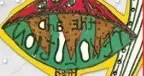
Hey! It’s something! Even if the actual band themselves had no idea what it meant! And though the entire album’s writing and composition was still credited to Prince, ‘1999‘ was His first album that would be actually recorded with this tight and experienced band of His. When Dez Dickerson felt he needed to leave the band for religious reasons to be replaced by Lisa Coleman’s childhood friend Wendy Melvoin, Prince could deny the sauce no longer: the next album, 1984’s ‘Purple Rain‘, was the first to be credited to ‘Prince and the Revolution’, and the band went stratospheric.
While ‘Purple Rain’s Computer Blue is technically the first Prince song with a Revolution co-writing credit (though Dr, Fink got a credit for the title track way back on ‘Dirty Mind‘), the once in a lifetime marriage of musical geniuses that made up the Revolution was obviously a far, far, far bigger influence on the creation and composition of tracks that were often perfected as a live band that Prince, to His eternal discredit, was willing to recognise. One of the reasons Andre Cymone left is because he claimed Prince had a bit of a habit of ‘borrowing’ songs written by His bandmates and crediting them exclusively to Himself. Dr. Fink has even suggested that he was the inspiration behind Prince’s purple themed iconography. It’s clear how much of an influence and a part of Prince’s overall sound, feel, aesthetic and vibes the Revolution were during His most successful periods (and one of the most successful periods any artist has had, ever). They at least deserved more recognition than standard pay rates for session musicians at the time, you tight, tight bastard. The fact that members of the Revolution were credited on five of 1985’s ‘Around the World in a Day‘ tracks suggests to me that, rather than the band becoming more integrated, Prince now felt they were more worthy of being credited. Wendy and Lisa have two writing credits on ‘Parade’ – and Wendy even gets a lead singing role in I Wonder U – but arguably the band’s greatest ever album would also be their last, and by the end of the tour they would be dissolved.
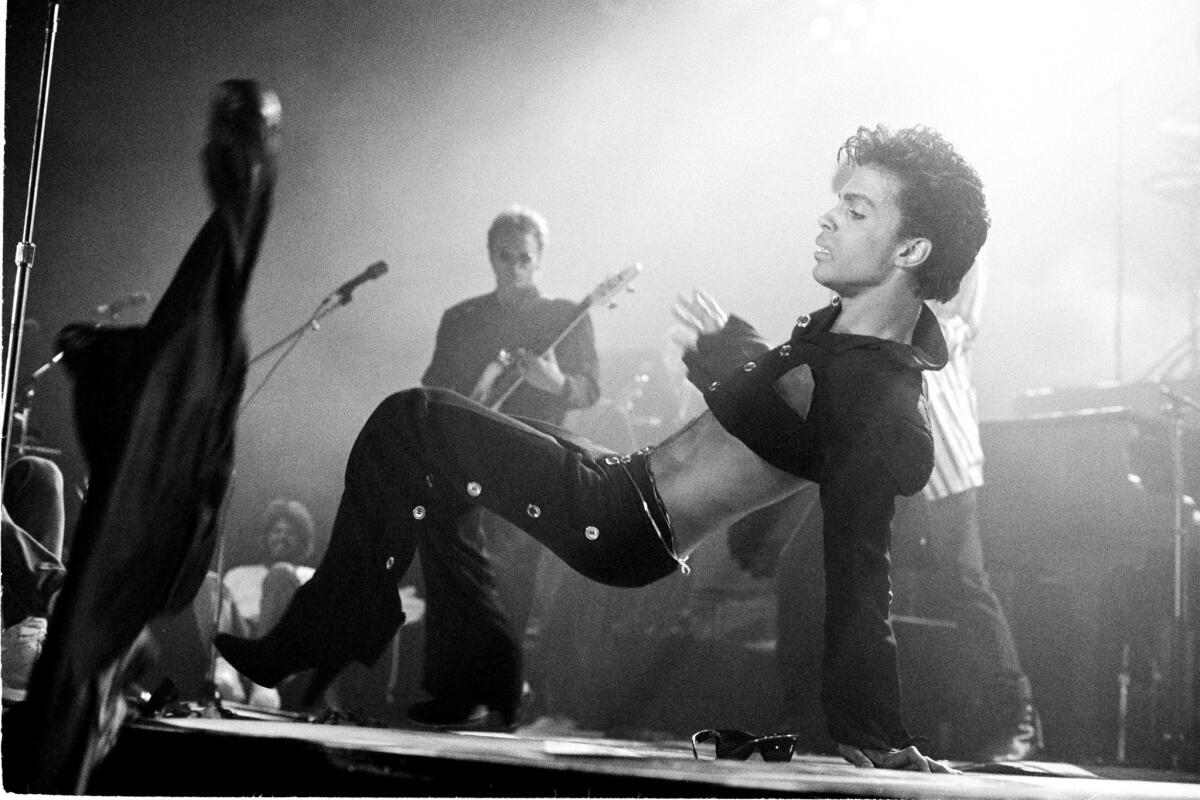
Like other supernovas, the Revolution expanded before it exploded. For the Hit n Run – Parade Tour, the Revolution was massively increased with Eric Leeds on sax; Miko Weaver on guitar; Matt “Atlanta Bliss” Blistan on trumpets; plus Jerome Benton, Wally Safford and Greg Brooks as Bezes, essentially. Susannah Melvoin – sister of guitarist Lisa and current girlfriend of Prince – also joined the band on backing vocals, which I’m sure was an addition that everyone enjoyed and was responsible for no friction within the group whatsoever.
The Parade Tour was actually an enjoyable time for the band onstage: Prince began to really relax His rigid set lists and allow far more room for experimentation and spontaneity. The tour was also the debut of Prince’s aftershow party sets, which would soon become a vital part of both His legacy and His live shows. However, backstage, tensions ran high. Prince had become a lot more detached from the band since the insane success of ‘Purple Rain’. “He became more distant”, says Dr. Fink, “He was busy all the time, so He didn’t have as much time for socialising”. Fink even hints at a particularly dark episode that he doesn’t feel comfortable repeating: “That’s a story I don’t like to tell. I like to let the other members do that because it was so personal for them”. The ‘Legacy Revolution’ (who would refer to the new bandmembers as ‘The Counter Revolution’) didn’t like the additions of the three Bezes, believing it took focus away from the actual generational musicians onstage (I’m sure Mark Day felt similar). Brown Mark felt that Lisa and Wendy’s dream pop was moving the band too far away from their electro-funk routes. And if the singer in your band is shagging your sister and getting increasingly obsessed with her, while ignoring you and the rest of the core band, you can kind of understand how stressed Wendy was getting. Brown Mark, Wendy and Lisa quit the band at one point (potentially after the particularly dark moment that Dr. Fink alludes to), and made it as far as the departing airport before Prince sent Bobby Z to lure them back with an improved contract of $3000 a show. This was still paltry compared to comparable ‘touring bands’, which the Revolution were obviously more than.
On September 9th 1986, on the final night of the Hit n Run – Parade Tour in Yokohama, Prince smashed all of His instruments to smithereens during the encore of Purple Rain. “I felt like, ‘Why is He so mad?”, Lisa Coleman remembers, “I even thought, ‘Did something happen?’ Like, did the crew fuck something up or did something actually happen? But it was just the crest of the wave was just breaking and there it was, and that was it”.
A month or so after the band returned to the US, Prince arranged a dinner with Wendy and Lisa to inform them that the Revolution was no more. “[Prince] said, ‘I know that you guys can’t go where I’m gonna go next,’” Melvoin recalled. “Well, what do you want us to do?” Coleman asked. “And then I remember the words ‘nipple-less bras’ and ‘crotchless panties.’ You know, I mean it got kind of grotesque and, I felt like, ‘No, you can’t ask me to do that. That’s not what we’re doing now’”. Some members, such as Eric Leeds, Miko Weaver and – obviously – Dr. Fink, stayed on. Prince invited Brown Mark to continue into the next evolution, but he declined, explaining:
Once you’re in a group like The Revolution, it’s very hard to go and start playing with someone else. The other bands that he played with … I mean, he loved everybody he played with but we were family.
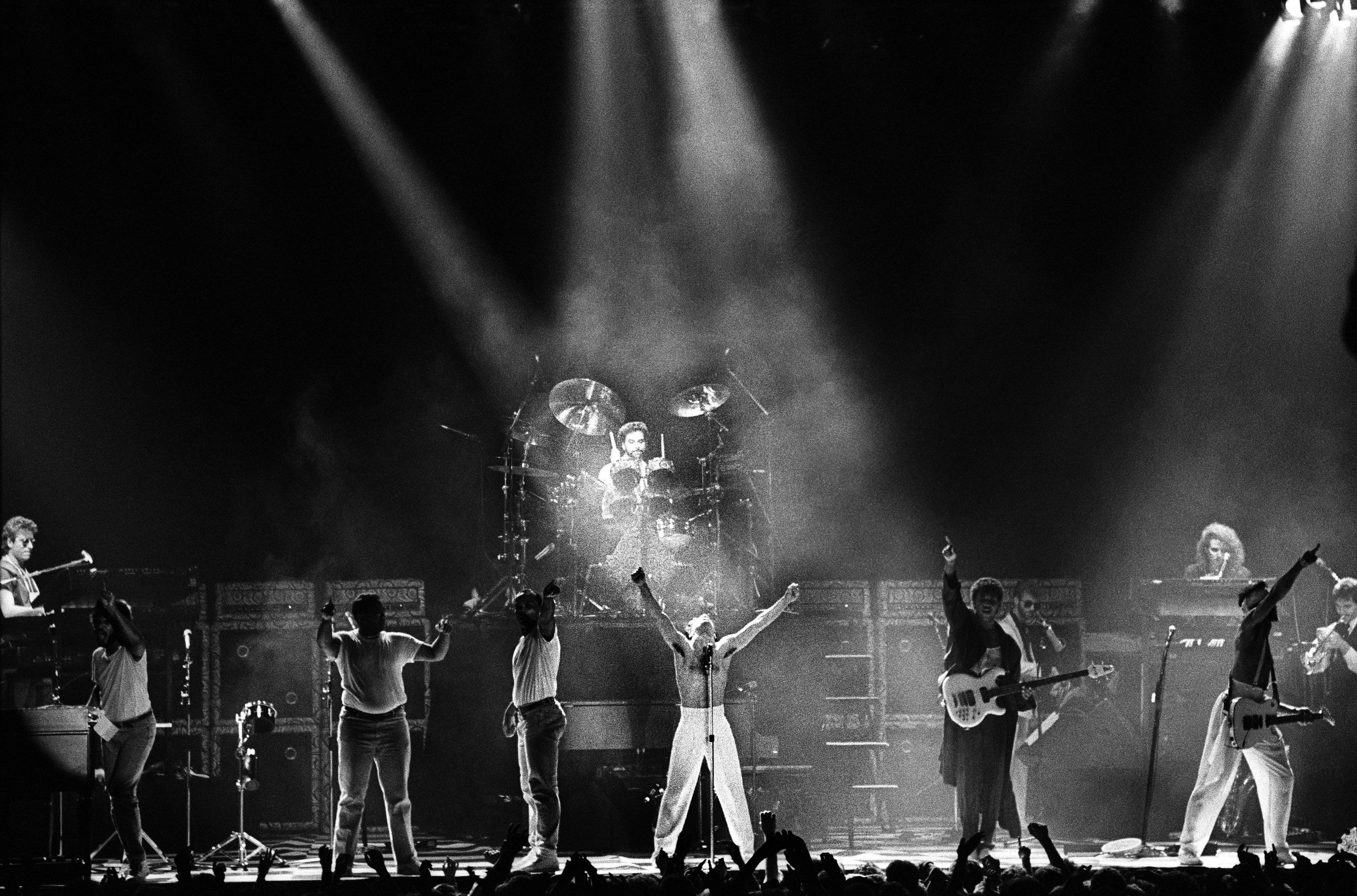
The ‘Dream Factory‘ album that was earmarked as the next revolution release was shelved forever, and Prince simply moved into new directions.
With the exception of His next album (and possibly the next after that), by far Prince’s most critically acclaimed period was the five years that He spent recording with the Revolution. Commercially, with the one exception of that always useful Batman Bump, it was also His most successful period by country miles. It’s not spoken enough how much an integral part the Revolution were to Prince’s greatest period, far more often they are mentioned in terms of how lucky they were to be associated with Him during His legendary regal period. The band were as much as a reason for Prince’s success as Prince Himself, and even if you only recognise the musical contributions that made it to the song credits, Prince’s career after the band’s dissolution (with, again, the exception of next year’s album) point to the importance of a band that He thought of as close(r) to equals when it came to people suggesting “You know what, Prince? Maybe don’t bother with that”.
Prince didn’t ‘outgrow’ the Revolution. The band were never quite Prince’s equal creatively – because maybe nobody in human history has been as creative as Prince was in the 80s – but they were all astonishingly talented, once in a lifetime musicians who pushed Prince to creative heights that – I’ll call it now – He never reached again. OK, yes, apart from the next album, do I need to keep saying that? Even that album contains songs that were originally recorded with the Revolution and slated for ‘Dream Factory’. Even though those songs would largely be re-recorded or re-edited to remove the Revolution’s contributions – “We listened to it like, ‘Oh wow – we are gone,”: Coleman – the influence and guidance of the band still exists within arguably Prince’s masterwork.
One thing the Revolution couldn’t keep up with was Prince’s inhuman ability to just drop everything if He felt a new inspiration elsewhere. Nothing in Prince’s life was ever immovable. If He felt like following up one of the biggest films of the era with a black and white art piece that nobody liked (or watched), He’d do it. And if He felt like dumping the band that had brought Him to unimaginable success, He’d do it.

‘Parade’ is an astonishingly great farewell. I’d still probably rate it as the greatest Prince album so far over ‘1999’ – the other serious contender – because of its glorious consistency and ‘Abbey Road’-esque flow that means the album has no low point and hangs together beautifully as one cohesive, 40 minute peace. Prince manages to incorporate more classical and jazz elements into His sound, and yet still has the ability to segue in slices of perfect pop like Girls & Boys or Mountains. All my life, my one complaint about ‘Parade’ is that Kiss doesn’t really fit the album’s wider sound. Possibly down to the fact that Prince just basically nicked it off someone else. But, in its defence: It’s fucking Kiss!! Arguing about Kiss not fitting the album feels like arguing that your partner giving you head last night distracted them from the gorgeous meal they were cooking for you: I’m still very grateful!!
‘Parade’ ending up selling 1.6 million in the US, around half the sales of ‘Around the World in a Day‘, which was itself a fraction of what ‘Purple Rain‘ sold the previous year. Interestingly, it was the first Prince album to sell more outside of the US (1.9 million), suggesting that His commercial decline in the US might be steadied by His success elsewhere.
With the Revolution gone, ‘Dream Factory‘ also needed to go. But Prince knew exactly where He was going next:
An entire album sung in pitched up vocals as the female alter ego ‘Camille‘!
No! Scrap that! Let’s go back to that ‘Dream Factory‘ double album and make it a triple album called ‘Crystal Ball’!
No! Scrap that…!
The Story so Far
 Necessary Evil
One thought on “2 Prince: Parade”