Top 40 Prince Songs Recorded Between 23rd April 1985 and 31st March 1986

The eighth Prince album ‘Parade’ was released in 1986. It has twelve songs on it. Is it any good? Mate, spoiler alert! You’ll find out if I think it’s a stinker when I list the 2025 Necessary Evil albums of the year!

Previously though, I have included tracks from Prince’s albums in my Legit Bosses countdowns of the best songs of the year. But that’s not really fair, is it? When He was listed as the joint best song of 2024 people were piiiiiiiiiiiissed!

So I’m going to give Prince His own dedicated countdown, at least in the near future, simply ranking all the songs that He recorded between His last album, 2024’s ‘Around the World in a Day‘, and 2025’s ‘Parade’. So, ranking ‘Parade’s twelve tracks, right?

Well… no… I could never settle on an exact number, but Prince recorded somewhere between 60 and 100 original songs in the eleven month period between the two albums. Eleven of them would appear on ‘Parade’; one would appear on His 1987 album ‘Sign ‘O’ the Times’; a handful would appear on future albums; some were given to protegees and other artists (including one that was famously taken the fuck back); and many are instrumental jams that were… maybe… never going to be released, but Prince was planning an instrumental jazz album at the time so it’s impossible to say.

We are now entering Prince’s most prolific period: in the next two or three years He would plan and then cancel at least four separate albums, countless side projects, a damn play, He would split up His band, start to question whether Warner Brothers were working in His best interests; and launch a near impossible to count number of failed protégées. It’s quite a ride.

Oh, and that 23rd April 1985 (when ‘Around the World in a Day’ was released) to 31st March 1985 (‘Parade’) timeline is occasionally loosely applied by a week or so (and, in one case, two fucking months). I’ve gone with the first recording of each song, as otherwise we have no idea (so, obviously, thanks a billion to https://princevault.com/.

Here’s the YouTube playlist, you lazy bastards.

This is what it’s like in the Dream Factory

Make Us Your Glasnost: Manic Street Preacher’s ‘Lifeblood 20’ Review

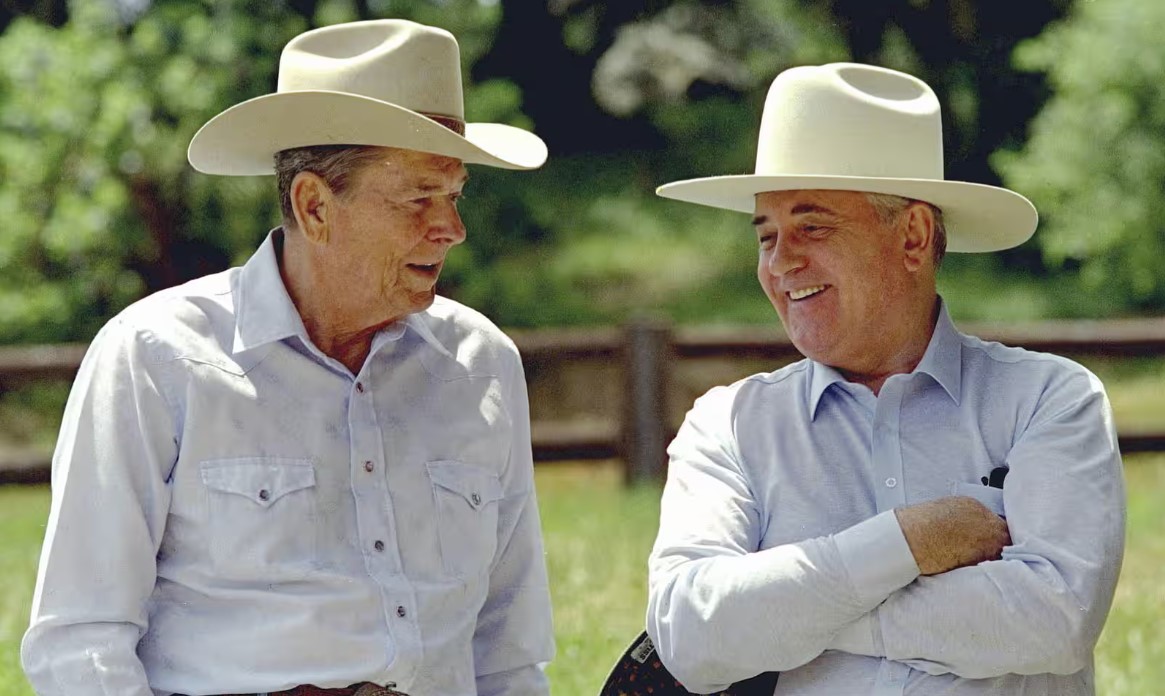
When the Politburo unanimously elected Mikhail Gorbachev as the eighth General Secretary of the Communist Party of the Soviet Union in 1985, the USSR wasn’t in a great place. The cowboy bravado of Ronald Reagan had lead to military spending to ride to 27% of its GDP; production of civilian goods was frozen at 1980 levels; US financing of Mujahideen warlords to overthrow socialist leaders in Democratic Republic of Afghanistan ensured the war in that country was an absolute disaster (and would later be referred to as “The Soviet Union’s Vietnam“); and general faith in the leading party was at a historic low. It was clear that some changes would be needed. And ol’ Mikky G believed he had just the plan.

Firstly, Gorbachev wound down the USSR’s power around the world. He retreated from Afghanistan, likely assuming the $20 billion that the CIA had donated to train and arm the jihad resistance groups was unlikely to ever have any longterm effects. He went all smiles and waves to the hawkiest of hawks (and now 43 year champion of the “Reason For Everything Wrong In the World” award) Ronald “Rawdog” Reagan, making the landmark agreements that they would scale back the arms race with the small concession that America still carry on doing the exact same shit. His “Sinatra Doctrine” threw the USSR’s hands up in regard to the Soviet Union’s satellite states, allowing them to do it their way and conceding power to the nationalists and the fascists. Secondly, there would be the concept of ‘perestroika’ (перестройка/restructuring), which were economic reforms that essentially dismantled the planned economy without any suggested alternative mechanism. It also introduced market factors, being the softlaunch of capitalism and conceding power to the new bourgeois. It also meant McDonalds and future Pizza Hut adverts. Yay.

this is fine

And then there was glasnost (гласность/transparency), the ultimate liberalisation of the Soviet Union. Gorby essentially opened up the USSR’s ‘Marketplace of Ideas’. The previous Marxist perspective on ‘free speech’ was probably best explained in Mao’s ‘Oppose Book Worship’ (反对本本主义): “no investigation, no right to speak”. Not everyone is assumed to know enough to speak on anything. Now, the USSR would work from Western, liberal rules. Anything goes. All bullshit is as valid as the next. And “free speech” meant what “free speech” means to this day: reactionary right wing potato heads using racism and sexism to further their own desires for profit and accumulation.

i’ll mention the album soon i promise