
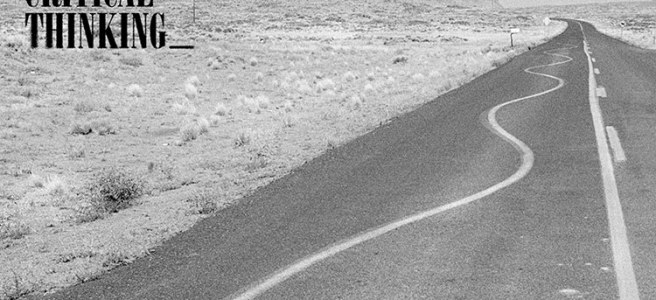
The Manic Street Preachers’ fifteenth album is one that is extremely easy to appreciate, so long as you’re ready to accept an entire trolley worth of caveats.
Firstly, this is the band’s 15th [FIFTEENTH] album. Few bands with any kind of success ever get this far, never mind a band that started out already preplanning their self-destruction, and coming 34 years after a debut-album the band promised would be their last. And, hey, for a group of three men in their mid fifties this ‘Critical Thinking’ is a great accomplishment. My colleague at work recently had her 50th birthday, and would she be able to produce an album of this quality? Highly unlikely.
It’s tempting to make a joke about how one of the caveats should be that a band still releasing music long (long) after most people stopped giving a shit should also be applauded, but this is incredibly a follow up to a UK number one album. Sure, the aggressively fine ‘The Ultra Vivid Lament’ didn’t trouble the year’s top selling albums, and dropped to 15th in week two (and 46th in week three), but those first week sales to Manics obsessives are not to be sniffed at! Maybe not taking any artistic risks and attempting to pander to your own audience just makes sense? The band are never going to be doing Sabrina Carpenter numbers, so why not just knuckle down and ensure you retain those 40’000 fans? Why not just make another album that sounds enough like the Manic Street Preachers to keep the Legacy Fans happy and not scare off the Absolute FM listeners by ensuring everyone knows that: Yes, this is the band who released A Design for Life, that one song you know! Maybe give this album a spin in the Volvo on the way to work a few times?
We’ve been here before, of course. The execrable ‘Postcards From a Young Man’ (#15 in 2010*) was the band trying to claw back a big chunk of their casual fanbase and “one last shot at mass communication” after the band were worried that their previous record – the admirable and artistically successful recording of Richey Edwards’s final lyrics ‘Journal for Plague Lovers’ (#2 in 2009)- might have spooked the commercial horses a little. Even the extremely decent ‘Send Away the Tigers’ – which I liked enough to rank #3 in 2007 and will still defend to this day – was the band desperately trying to win back fans’ trust after their previous record (‘Lifeblood’, the 20th anniversary rerelease of which reached #11 last year) dared to venture a little to far out of their comfort zone and into synthesised AOR. And 2018’s forgettable and largely pointless ‘Resistance is Futile’ (#55) was a clear and deliberate battening down of the hatches and an aggressive return to the straightest sort of commercial rock music after the fresh sounds and experimentation of the previous record ‘Futurology’ (#1 in 2014).

(*That ridiculously generous spot is largely due to me only having a top 20 that year, and I still regret how pathetically easy I went on that career low. A decade and a half later, we as a culture have at least come to accept that it’s an inferior album to Built to Spill’s ‘There is No Enemy‘, which finished #16)
What was notable about ‘Resistance is Futile’ though, is that the band’s bold and audacious incorporation of Teutonic, synthesised rock and abrasive New Wave on the previous record had brought the band some of the best reviews of their career and seemed to signal a brace new direction for a band entering their third decade. ‘Resistance is Futile’ wasn’t really a reaction to anything: the response to the previous record was very positive and there weren’t any fans demanding the band get a million times more boring again. And while the band might have hoped one of the two incredible singles International Blue (43rd best song ever) or Hold Me Like Heaven (32nd) might have made the top 40 – which the Manics hadn’t and still haven’t done since 2010’s (It’s Not War) It’s Just the End of Love – but the band can’t have otherwise turned their noses up at the commercial success of ‘Futurology’. That album reached number 2 on the album charts and sold around 50’000 copies. ‘Resistance is Futile’ reached number 2 on the album charts and sold around 50’000 copies.
Aaaah, no, it’s cool though. The Manics are actually doing a thing now (‘now’ being the last two decades) where they’ll release one bog standard, radio friendly, fanbase pandering rock album, then one more interesting and artistically challenging record, then go back to doing the bog-standard stuff on the next record. Yes, I know, that is a weird way to operate, but the Manics are a weird band. Just go with it and stop making snide comments, please. So the solemn yet warm electronica of ‘Lifeblood’ was followed by the cocks out politicised rocking of ‘Send Away the Tigers’ which was followed by the Steve Albini produced artrock of ‘Journal for Plague Lovers’ which was followed by the cringeworthy commercial pandering of ‘Postcards from a Young Man’ which was followed by the incredibly ambitious and rewarding quasi double album of ‘Rewind the Film’ (#20 in 2013) and ‘Futurology’ which was followed by the big artistic shrug of ‘Resistance is Futile’. So the next album was guaranteed to both blow our tiny minds and be fucking incredible!
They followed ‘Resistance is Futile’ with ‘The Ultra Vivid Lament’ (#31 in 2021). And it was fine.

I’m being rather flippant: ‘TUVL’ is an extremely good album, though considering that it was the band’s fourteenth album and I’d debate whether to rank it in the band’s top ten, it clearly didn’t electrify my soul and cause me to shit my pants like a 44 minute brown note like I was expecting, and didn’t deliver that ‘Futurology’ level masterpiece that I’d hoped for. It is more experimental and ambitious than ‘Resistance is Futile’, which admittedly isn’t difficult as me taking my dick out of my fly to take a piss five minutes ago was more experimental and ambitious than ‘Resistance is Futile’. This ‘experimentation’ largely begins and ends with the piano taking more of a centre stage, though there are the odd fantastic moments, and I’ve grown to appreciate songs like Still Snowing in Sapparo and Diapause, which might be amongst the most subtly rewarding pieces the band have done. However, far too much of the album is still standard Manics-by-numbers basic rock like Don’t Let the Night Divide Us and Into the Waves of Love to make it as a whole sound like a great departure from the band’s sound.
And now we have ‘Critical Thinking’, which seems to argue that even the milder than mild experimentation of ‘TUVL’ might have been a bit too dangerously audacious, and the band want to reign everything in again. Although, according to the band, even that would be affording the record more thought than it deserves, as this was apparently the first album they’ve written and released without some sort of mission statement or defining concept behind it. Sometimes, according to JDB, just releasing a record with a load of good songs on it is enough.
I know it sounds really fucking nihilistic and narcissistic; it’s just the way it was. We don’t have time to really interrogate what kind of album we want to make or how we do it.
Nicky
As you get older and as all the concepts, ideologies and understandings that you’ve grown up with start to dissemble and crumble around you – whether it be left, right or left of centre – once you realise that they become a separate tense and economies work in different ways – the game is up, You can’t think the way you used to think. You’ve got to have a looser way of thinking and see what comes out of it. That’s what we did with this record
So the band themselves have confirmed that ‘Critical Thinking’ is just, like, you know, whatever. It’s not the band angrily reacting to anything, it’s not the band trying to do anything, it’s not the band talking about anything, it’s not really anything at all. It’s just twelve great songs, man. It’s all about the music, duuuuuuude. Why has everything gotta be so political these days?
And, to me, it’s now the third Manics album in a row than just… a Manics album. ‘RIF’ might have had two legitimate alltimers sitting alongside ten of the least inspired and least ambitious meat and potatoes rock songs the band have ever released, and ‘TUVL’ may have had a handful of tracks that raised their head slightly above the standard rock fare parapet. But the two albums were – perhaps unintuitively – possibly the most standard Manics albums the band have ever released. Any standard Manics album the band released previously only became standard retroactively because the album itself set the standard (‘Generation Terrorists’, ‘Everything Must Go’). While ‘SATT’ was definitely an attempt to relive the ‘GT’ era, it nonetheless creates a sound unique to that record, and ‘PFAYM’s laughably overblown and hilariously failed attempt to replicate the ‘EMG’ sound/success still mark it out as unique, much like how food poisoning can regurgitate previous meals and shoot them out from your mouth and anus but nonetheless create an absolutely separate experience. ‘RIF’, ‘TUVL’ and now ‘Critical Thinking’ are just Manics albums, a trilogy of standard fare that has avoided rocking the boat much artistically and have adamantly just stuck to what the band are comfortable with. And that’s fine. To further demonstrate how close the band were going to stick to the script with ‘CT’, the album was first trailed with Decline and Fall, which is essentially the exact same song as Orwellian, the first track released from ‘TUVL’

If you come into it just expecting a standard rock album, ‘Critical Thinking’ is frequently brilliant. The four previously released singles (one of which I’ll come back to) like Decline and Fall, People Ruin Paintings and Brushstrokes of Reunion, which may have sounded worryingly unambitious and formulaic when first heard over the past four months, actually hit a lot harder in the context of the record. “Oh, the whole album’s like that? OK, I guess I quite like this song in context then”. And those four singles plus the title/opening track (which I’ll get to!) actually means the album starts extremely strongly and you’re at least convinced that, even if you’re getting a straightforward rock album, you’re getting a pretty great straightforward rock album. Then Dear Stephen is track six and the album derails a little.
The song is apparently an appeal to Morrissey – Wire’s “a dark little secret/My illicit unseen drug/My secret hidden love” – to turn away from his far right patheticness of the past three decades or so and return to the vital music making he was once capable of in the 1980’s, stuff that Wire is still connected to. In the run up to the album, Wire has repeatedly told the story of how his Mum once wrote to the Smiths in the 80’s after her son was too ill to attend a gig, and Morrissey wrote Wire a postcard back that the bassist still has to this day. Firstly, this song should be called Dear Mum, because that is absolutely adorable. I once had tickets to see Chvrches supported by Let’s Eat Grandma at the Castlefield Bowl, but couldn’t make it because I was rushed to hospital. You know how many times my Mum wrote to either band to ask for a postcard? Fucking zilch! Yes, I was around 33 at the time, what’s your point? Do you suddenly stop being a caring mother at some point?? Fuck you, Mum. I wish Mrs Wire was my mum… Wire has since walked back the idea that it’s explicitly about Morrissey (“It’s about me critically looking at my own reliance on the past – about why those years were so scorched onto me“), but to be honest that might have just been after noticing that’s not how you spell Steven Patrick Morrissey’s name.
Despite this, the song explicitly name checks the Smiths songs Still Ill and The Boy With the Thorn in His Side, and lyrically references the words of These Things Take Time and There is a Light That Never Goes Out. However, in doing so during the chorus, Nicky Wire returns to one of his most irksome modern affections: treating the listeners like they’re fucking idiots.
Dear Stephen, please come back to us
I believe in repentance and forgiveness
It’s so easy to hate, it takes guts to be kind
That’s quite cute isn’t it? An obvious throwback to one of Morrissey’s most beloved and well known lyrics and…
To paraphrase one of your heartbreak lines
Sigh…
Yeah, Nicky, I got that. We all got that. This is still obviously the Nicky Wire that feels the need to prefix any attempt at a simile with a “like…” just in case the listeners are too fucking dumb to understand how poetry works, I guess? My friend hit the nail on the head when he said “That’s a weird thing to do when your fans are 95% literature grads”.
Aside from that, the song is a bit of a damp squib musically. The melody itself is so slight and uninventive that it barely exists, and you can’t even imagine the Manics of a decade ago agreeing that a chorus so weak was fit for purpose. It’s also saddening that once the only semi-successful truly left wing (not liberal) band in the country choose not to make any comment at all on the political leanings of the singer. I understand Wire stating that “The only moral judgement on this album tends to be about me”, but could that not be translated into some sort of statement of how Morrissey’s political reactions changed with his relationship to power?? Still, I appreciate the song being more about how it’s difficult to let go of artists that were such a formative part of your personality, and Wire mentioning how he’s “still a prisoner to you and Larkin” (Philip Larkin being a gross racist, massive bigot, supporter of Enoch Powell and adorer of Margaret Thatcher*) makes an interesting point on who and what gets cancelled and when.
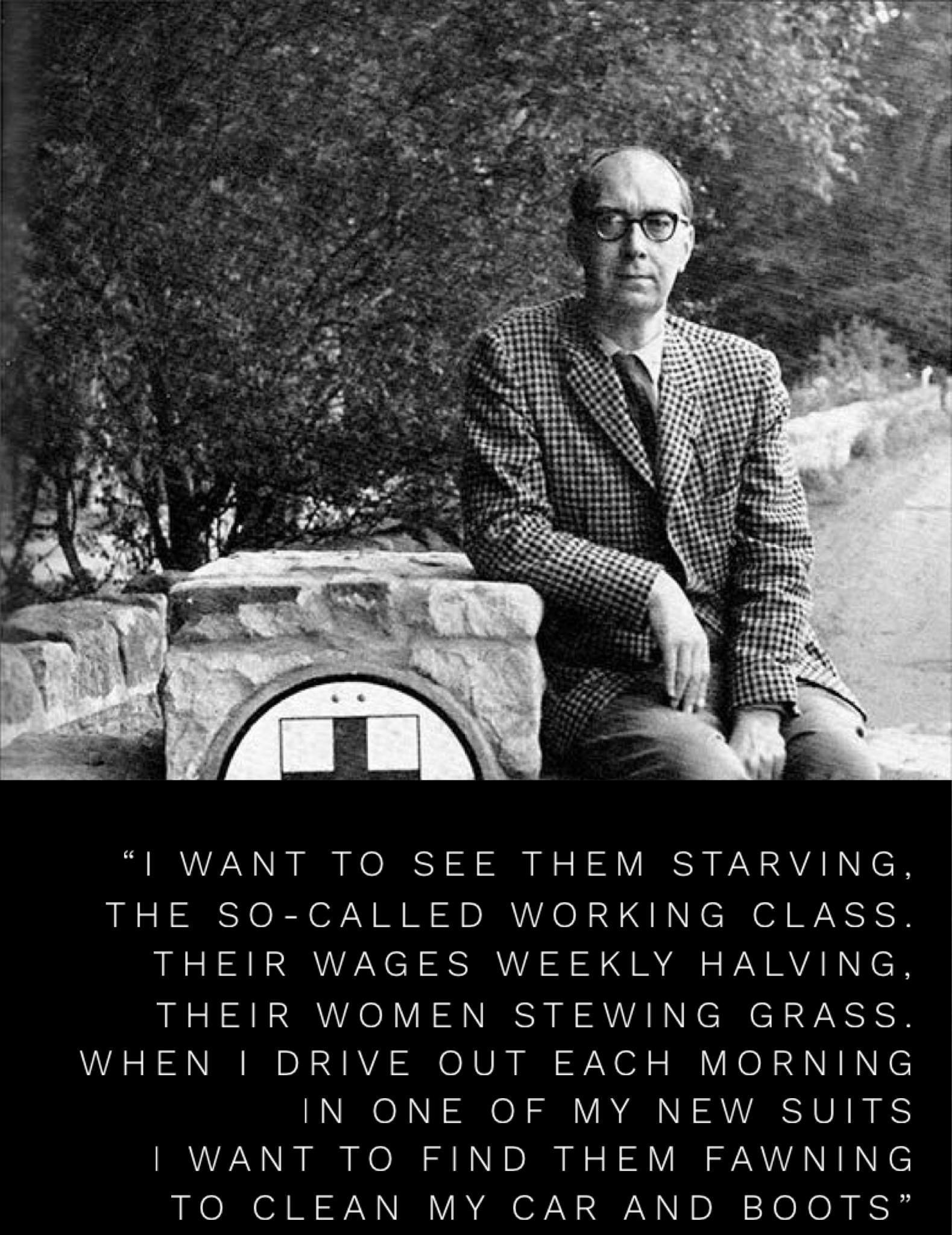
(*all stuff that, admittedly, I did not know about until I was confused by the association made in this song and initially thought was just poor writing. I guess any Manics album that forces me to do further reading like it was 1996 gets extra points)
Despite the band’s admission that the album isn’t about anything and just a fucking collection of songs and shut up, yeah?, the idea of cancellation is obviously at the forefront of Wire’s mind, coming up in at least three songs. Betraying how – after everything – he’s the same as every other man in his fifties. Deleted Scenes is a great little song that could legitimately fit on the (29 years old) ‘EMG’ album, but is essentially about how you can’t bloody say anything these days because of woke:
The ecstasy of making things worse
Seems to have become a worldwide curse
This self-censorship made me weak
Cornered by all this therapy speak
There is an idea in these lyrics, I’m just sad it isn’t more fully explored. I’d love to see a proper left wing dissection of ‘woke’ culture and cancellation (a liberal obsession), how identity politics is just a means of segregating people again and ensuring people won’t identify along their class lines and enact real change. Hell, why not write a song about the irony of how the the biggest identity politics come from the ‘anti-woke’ brigade, and it’s this identity that has seen the working class continually vote against their own needs this past decade? But, no, that’s sadly not how Nicky writes these days. It’s about how Nicky is scared that Nicky will get cancelled if Nicky says the thoughts in Nicky’s head. It’s Nicky admitting that he’s self-censoring, admitting that his lyrics these days aren’t true expressions of his inner thoughts. OK. What can’t you say these days, Nicky? What is it that you are thinking that you’re too afraid to say? Why don’t you put these things into your music? You’re a multimillionaire musician with a guaranteed fanbase that will ensure you eat well for the rest of your life, why not just put your actual feelings into your music?
Or did you already do that, on Intimism, which was a BandCamp only release which roughly twelve people bought? Away from the spotlight, could you finally be true to yourself? Because, to me, the lyrics on that were even more dull than in your day job.
Am I being harsh on Nicky again? Because he fucking saves this album, the absolute legend.
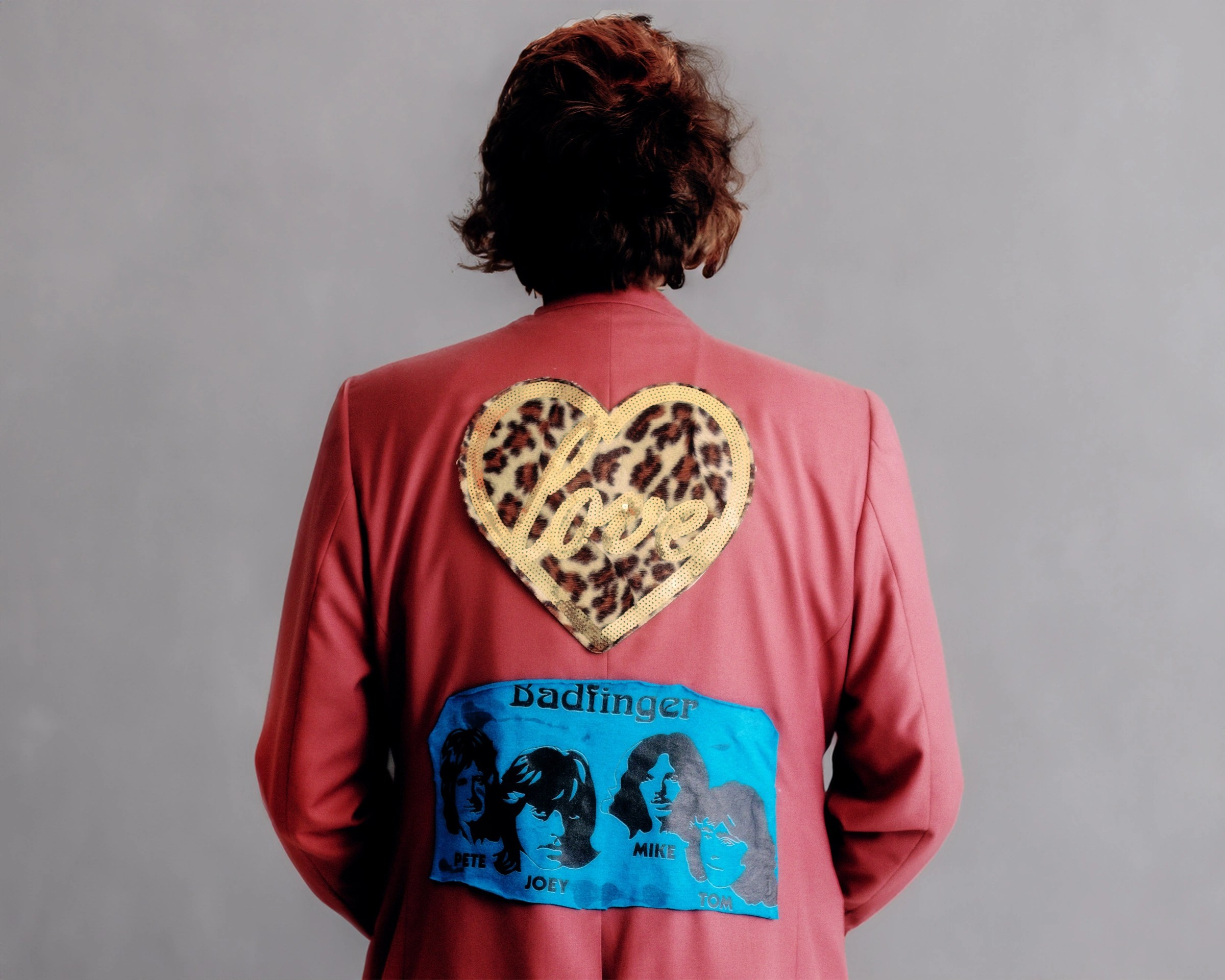
Nicky sings three of ‘CT’s twelve songs, and he absolutely kills it on all of them. The second single released to trail the album, Hiding in Plain Sight, is the first single ever fronted by Nicky and by some distance the greatest performance he’s ever given in front of a microphone. Almost twenty five years after Wire debuted his ‘singing’ voice on Ballad of the Bangkok Novotel and Wattsville Blues (90th best song ever. Fight me) in 2001 with a Mark E Smith indebted tuneless bark, he now has the real confidence of a front man and can be trusted to carry songs of the quality of Hiding… And what a song he’s carrying! Essentially one big, repeated and built upon chorus that features maybe Nicky’s most streamlined and effective lyrics on the record:
Love’s in hiding, hate displayed
Keep the curtains drawn all day
The mirror is a trap that saves
Or a debt that makes you pay
See you hiding in plain sight
And I wanna be in love
With the man I used to be
In a decade I felt free
Yeah, it’s another Nicky Wire song about how good it used to be being in the Manics in the 90’s, but Nicky is good at writing that song! Which is why he’s written it around six billion times! ‘Hiding in Plain Sight’ was also the name of a 2022 TV docuseries about youth mental illness, which could reference the irony that I often notice in myself, of hankering for a time in your youth that, you might have forgotten, you were also fucking depressed all the time!
Interestingly, this was a song that JDB tried but couldn’t master as well as Nicky could: “The vocal just didn’t fit, it just wasn’t quite in my range really. I think it was more in my The Love of Richard Nixon range which has been proven to not be palatable for mainstream audiences“. Firstly, I will not hear any Nixon… (20th best song ever) slander. Secondly, it’s crazy but true now that the band could be considered as having two lead vocalists, putting them in the feted company of legendary bands like The Who, Fleetwood Mac, Chicago, The Goo Goo Dolls and Blink 182.
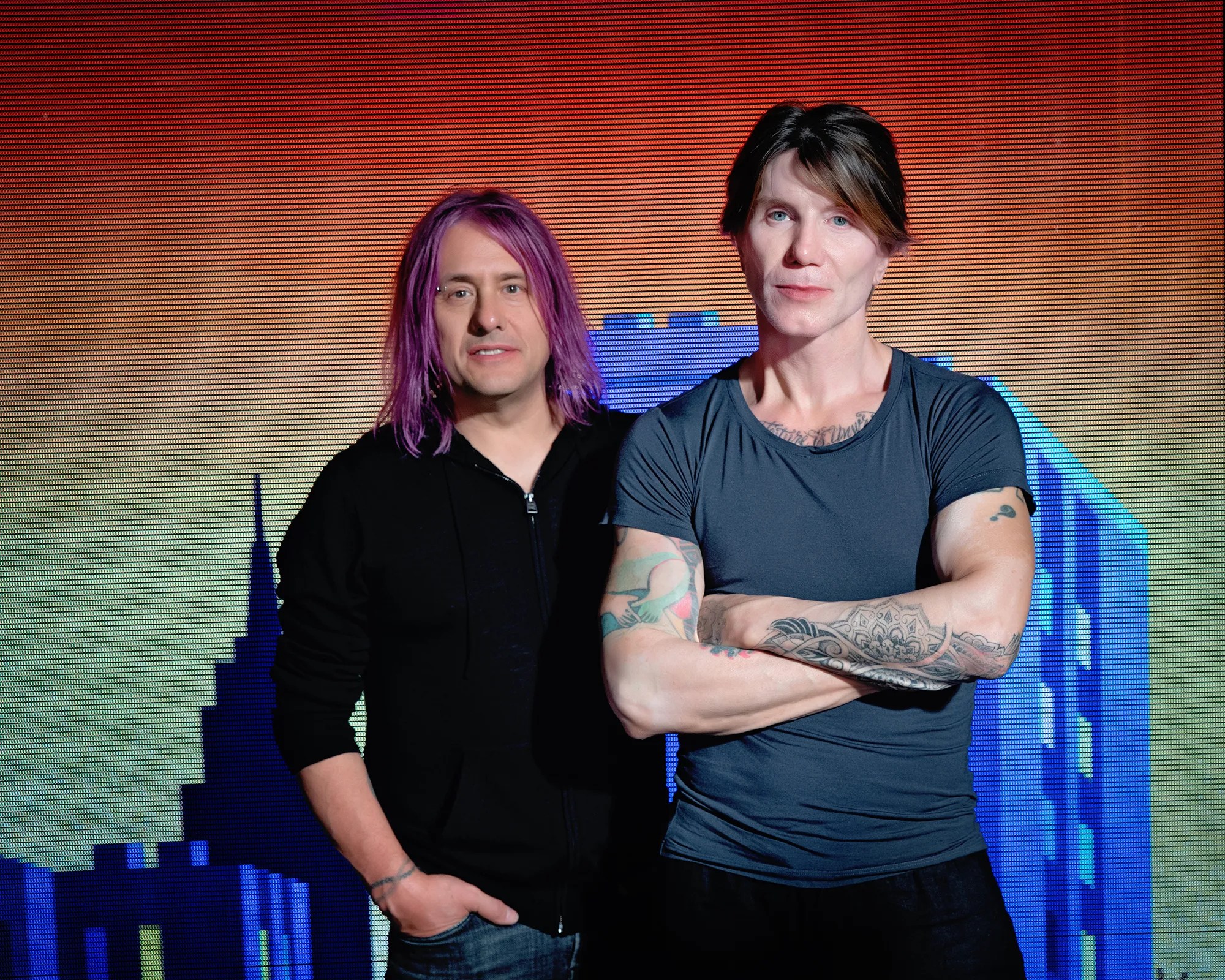
It’s on the opening title track though, that Wire really gets his flowers. I kind of hate Critical Thinking for the cruel trick it plays: you might have already heard the straightlaced and generally generic (if often very good) trailing singles for the album and surrendered to the idea of what kind of album you’re getting, stick on the album and get this absolute motherfucker of an opening track and thought “Holy shit! We’re getting something pretty special here!”.
And, no, you were right first time. But what a fucking song!
Transient meditations, remote procedures
Slowly the deletion begins, the paragon of virtue
The pinnacle of despair, the apex of denial
The skyscrapers of untruth, customised feeds
Net neutrality, smart meters
Smart water, smart fucking motorways
Body positivity, believe in yourself
Imposter syndrome, fuck that!I don’t want to be admired, I demand no respect
I don’t want to be feared
I’d like to enter the gates of oblivion
With a lanyard round my neck
An aesthetic so bland and
Over a tight and aggressive PiL/Gang of Four influenced near robotic guitar and drum loop, Wire barks out self-help and therapy speak fridge magnet psychology in a thrilling tirade against a commodified self-help industry that is actually strangling true, as it were, critical thinking:
Everyone always talks about this idea of ‘the authentic self’, which I just don’t think is a good mantra. Mass murderers are being their authentic self; my authentic self would be pretty unhinged and a gobshite at times, just endlessly ranting to myself in a corner. It’s a meaningless and dangerous phrase. That said, it can help some people live a better life – the moral judgement is very much on myself. But I think critical thinking is about realising you have the power to reject as readily as you accept. It’s important that you still have that capability.
Wire says that this was probably the first time he’d never had a lyric written down. More of this, please. It’s interesting to know that many of Wire’s lyrical flops in recent years can be explained by him thinking too much about them. He should trust his stream of conscious more in the future. JDB also speaks on how excited he felt because the song felt like such an album track. Cool! Can you guys, like, do a whole album of album tracks? That’d be awesome. On the opening track, the band and Wire sound more alive and relevant than they have in around a decade. That they immediately just throw that away to try and get on the Radio 2 playlist as much as possible is a crushing disappointment.
Wire also sings the closing OneManMilitia:
I don’t know what I am for but I know what I am against
I’m sickened to death by men, I’m bored to death with myself
I’m sick of the narratives, I’m done with apologies
I’m sick of conspiracies, the truth is a dead diseaseEven our dreams are intellectual like an ancient stone circle
Tightly bound to a rigid dogma, will they last or take us under?
Even our screams are intravenous, I’m so ashamed of my self-censoring
The album’s second most interesting song. While OneManMilitia isn’t on level of the other two Wire songs (which will both make my top 100 list the next time I write it), it ensures that ‘CT’ both opens and closes with promises of an incredible album that doesn’t actually exist. What happened, lads? Did all that ‘self-censoring’ get you down?

And that’s the final caveat for ‘Critical Thinking’: It’s a pretty great rock album. If you ignore the disappointment that it’s not as good an album as the album itself promises to be. I’d still probably say it was maybe my favourite record of the ‘Trilogy of Bland’ that the band have released since the incredible ‘Futurology’ (a record which I might rank as their second greatest ever). It might not be quite as ambitious as ‘TUVL’, but it’s a more consistently decent album (the lows on ‘TUVL’ are baaaaaaaaaaaaaaaaaaad) and probably has higher highs. And I’d rank it above ‘RIF’ because lol globulously (though there might be nothing here as good as that album’s incredible two singles). I’ve just done the maths in my head, and I think it’s the 11th best Manics album ever, which isn’t bad! Admittedly, I did that maths by counting the number of Manics albums that are definitely worse, but still! If this was a Goo Goo Dolls album, I’d confidently say it was the best Goo Goo Dolls album ever.
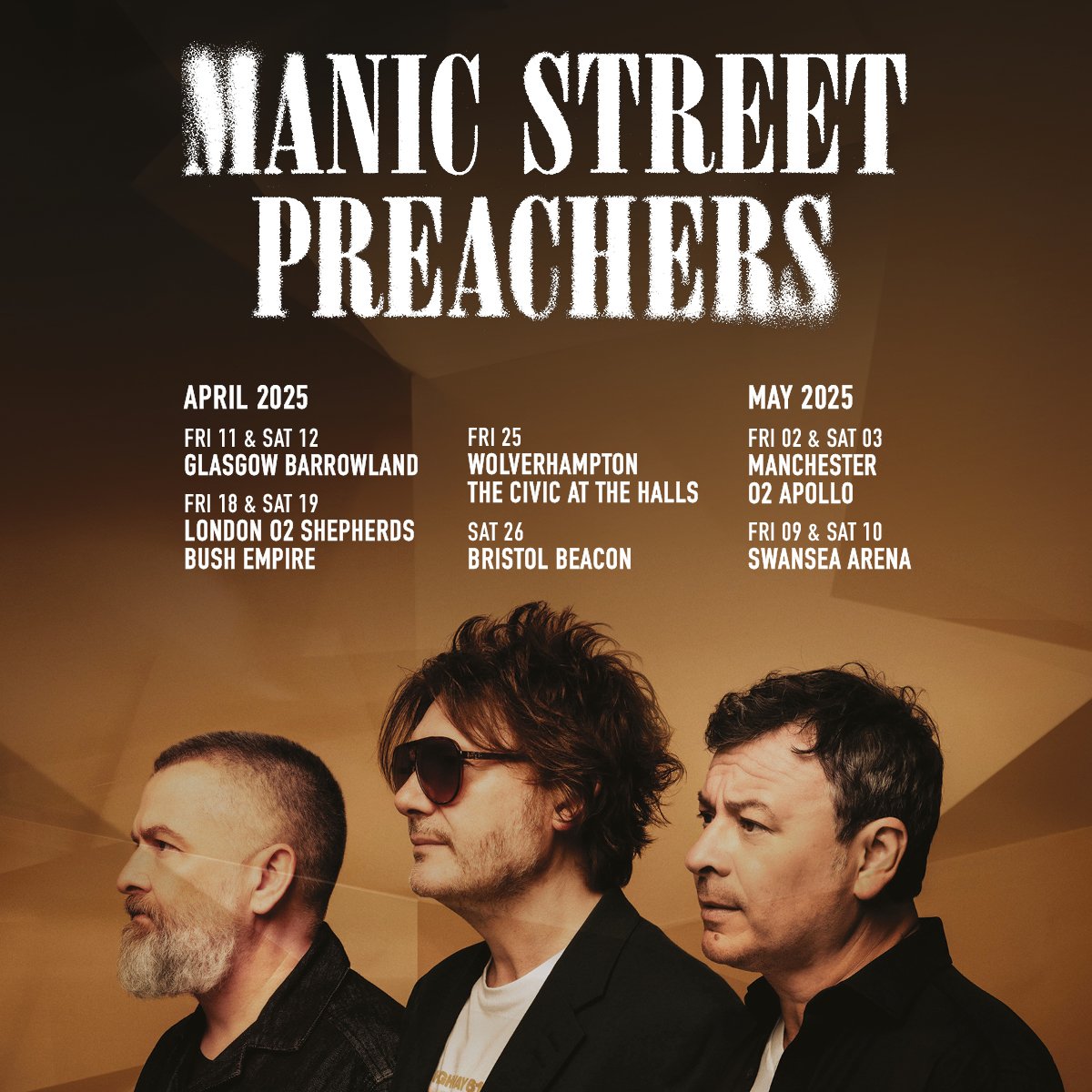
My main takeaway from the album was just me realising that this is just the type of music the band want to make now. They’re no longer releasing records that are notable enough to respond to, they’re no longer making concerted efforts to win back fans or radio play after previous experiments, this is just the radio friendly rock music that three blokes in their fifties really enjoy playing together. They write nine decent songs, they write ten decent songs, they write eleven decent songs, they write twelve aaaaaaaaaaaaaaaaaaaaand, yeah, that’ll do, let’s release an album. They’re a pretty dull, pretty normal, pretty standard rock band now. And that’s fine. Hey, Nicky, I’m not going to cancel you for vaguely referencing Morrissey while spelling his name wrong. Go off queen. I’ll still buy the next album’s special edition the day it’s announced, I’ll still get the free t-shirt (I have this album on fucking cassette tape for God’s sake…), I’ll still be at the O2 Apollo next May (in the seats, at my age), and there might be one or two really good songs on the next album as well!
But this is as good as it gets. The Manics will never release another truly great album. They likely won’t even release another album which will get into their personal top ten. All future releases will probably be better than ‘PFAYM’ (because arse cancer is better than that album) but not quite as good as ‘Lifeblood’ (probably their tenth best album). They’re respectfully boring now, and fair play to them.
Oh, and the album got to number 2. They really didn’t do Sabrina Carpenter numbers, her album made it back to number one in its 26th week of release,
Oh, a rating? I’ll give it three inspirational fridge magnets out of five.

 Necessary Evil
5 thoughts on “The Decline and Lull: The Manics Grow Dull Gracefully on ‘Critical Thinking”