

20th May 1983, a car bomb in the the South African capital of Pretoria went off. The target was the South African Air Force (SAAF), who were renting a building on Church Street West, where the bomb went off. The bomb killed eleven SAAF personnel, plus the two people who planted the bomb (unintentionally) and six civilians. Two hundred and seventeen people were injured in the attack.

The bomb had been planted by uMkhonto weSizwe (MK), the military wing of the African National Congress (ANC), a political group founded by Nelson Mandela in order to force the end of the racist policies of the South African government. The attack was a response to a cross border raid by the South African army into Lesotho in December 1982, which killed 42 ANC members.
Nelson Mandela was, by any way you want to describe it, a terrorist. He used the unlawful use of violence or threats to intimidate or coerce a civilian population or government, with the goal of furthering political, social, or ideological objectives.. Under Mandela, the calculated use of violence created a general climate of fear in a population to bring about a particular political objective. Were his political goals morally correct? Absolutely, but moral correct legitimacy isn’t considered when defining terrorism. Nelson Mandela was considered a terrorist by the USA until 2008, nine years after he had ruled for five years as the first president of South Africa. And he was in jail for terrorism, because the law of an unjust state does not rule morally, and was almost twenty years into his sentence when the Church Street bomb went off. He recorded his reaction in ‘The Long Walk to Freedom‘:
The killing of civilians was a tragic accident, and I felt a profound horror at the death toll. But as disturbed as I was by the casualties, I knew that such accidents were the terrible consequences of the decision to embark on a military struggle… As Oliver [Tambo] said at the time of the bombing, the armed struggle was imposed on us by the violence of the apartheid regime.
One more time for the people in the back: “the armed struggle was imposed on us by the violence of the apartheid regime”. Can you guess where I’m going with this?
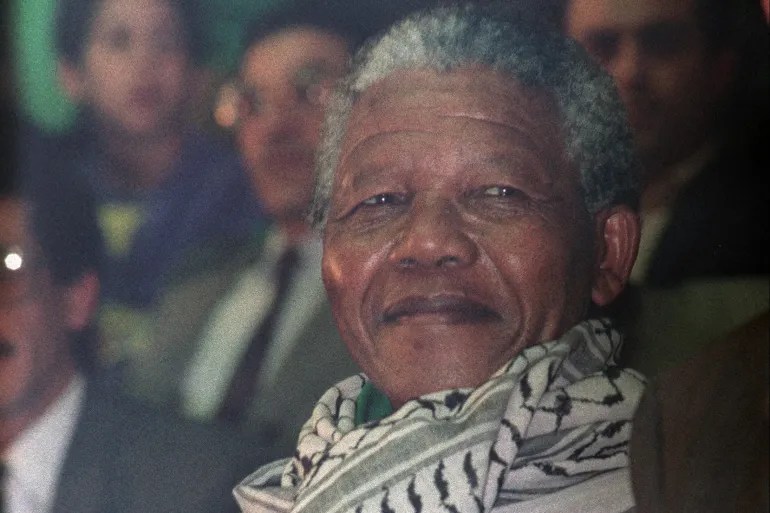
Mandela visited occupied Palestine many times, as it was clear to him how closely their battle mirrored his own fight in South Africa. When visiting the US in 1990 on George OG Bush’s invitation, he was questioned how he could support terrorists like chairman of the Palestine Liberation Organization Yasser Arafat, and other US imperialist boogeymen:
One of the mistakes which some political analysts make is to think that their enemies should be our enemies. That we can, and we will never do. We have our own struggle, which we are conducting. We are grateful to the world for supporting our struggle, but nevertheless, we are an independent organisation with its own policy … Our attitude towards any country is determined by the attitude of that country to our struggle. Yasser Arafat, Colonel Gaddafi, Fidel Castro support our struggle to the hilt … Our attitude is based solely on the fact that they fully support the anti-apartheid struggle. They do not support it only in rhetoric. They are placing resources at our disposal, for us to win the struggle.”
And, in 1999 on a state visit to Palestine, Mandela outlined exactly what the struggle against imperialism should look like:
Choose peace rather than confrontation. Except in cases where we cannot get, where we cannot proceed, or we cannot move forward. Then if the only alternative is violence, we will use violence.
If the only alternative is violence, we use violence.
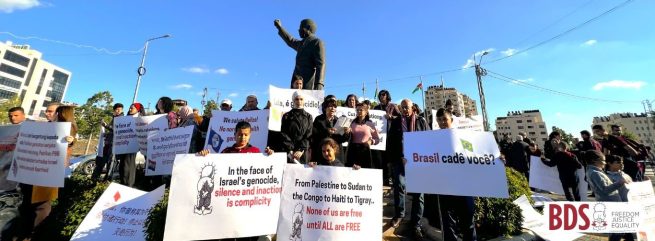
Because, what is often and intentionally forgotten, the Palestinians (absolutely including Hamas) had already tried seemingly every conceivable route to get something approaching freedom. There have been boycott campaigns, peace offers, negotiation, protests… There was even the Great March of Return, where each Friday in the Gaza Strip near the Gaza-Israel border from 30 March 2018, roughly 10 – 30’000 Gazans would peacefully protest the Israeli blockade and plead for the right to return. It’s fitting that a protest so peaceful would be started by the most peaceful president deciding, on a whim, to just name Jerusalem as the capital of Israel. What’s the worst that can happen, thought Trump as he wiped chicken nugget crumbs onto his five foot long tie, I have literally heard no person rich enough to give me a different opinion. On that first protest on the 30th March 2018, Israel killed 15 Palestinians. Now, before you groan at Israel’s calculated use of violence to create a general climate of fear in a population and thereby to bring about a particular political objective, learn all the facts first: The IDF said a tank fired at two men who ‘acted suspiciously’ near the border fence. Meet them half way, Palestinians!! You can’t on one hand have a so called ‘peaceful protest’, but then at the same time be ‘acting suspiciously’!! It gives mixed messages! You’re basically asking for the unlawful use of violence or threats to intimidate or coerce a civilian population! Israel’s tactic of scaring off people from even considering peacefully protesting in the future didn’t work, because these people are the bravest and toughest motherfuckers in the world, and more around seventy more Fridays afterward, the people still came. The Israeli army killed 223 of these peaceful protesters in total, including forty six children. Nine thousand two hundred and four protesters were injured. Oh, sorry, should probably include the deaths on the Israeli army side for a bit of balance: One death. Or possibly none, that’s not been clarified. But up to eleven people were injured!! Or maybe four. Again, we’re not sure. But it’s fair to say both sides suffered! Gosh, isn’t that conflict so complicated?! After 18 months, Hamas called off the protests, as it became clear that nothing was happening, the international community didn’t give a shit, and the Palestinians were just feeding bodies for Israel to massacre. And, seriously, Israel doesn’t need help massacring Palestinians.
Choose peace rather than confrontation. Except in cases where we cannot get, where we cannot proceed, or we cannot move forward. Then if the only alternative is violence, we will use violence.
If the only alternative is violence, we use violence.
If you can think of any alternative, any peaceful way to protest the regime that is imprisoning, torturing, massacring and dehumanising an entire country of people, don’t bother mentioning it, because the Palestinians already tried it. The Palestinians could not get, could not proceed, could not move forward.
So Palestine was forced to launch the greatest anti-colonial revolt of the twenty first century.
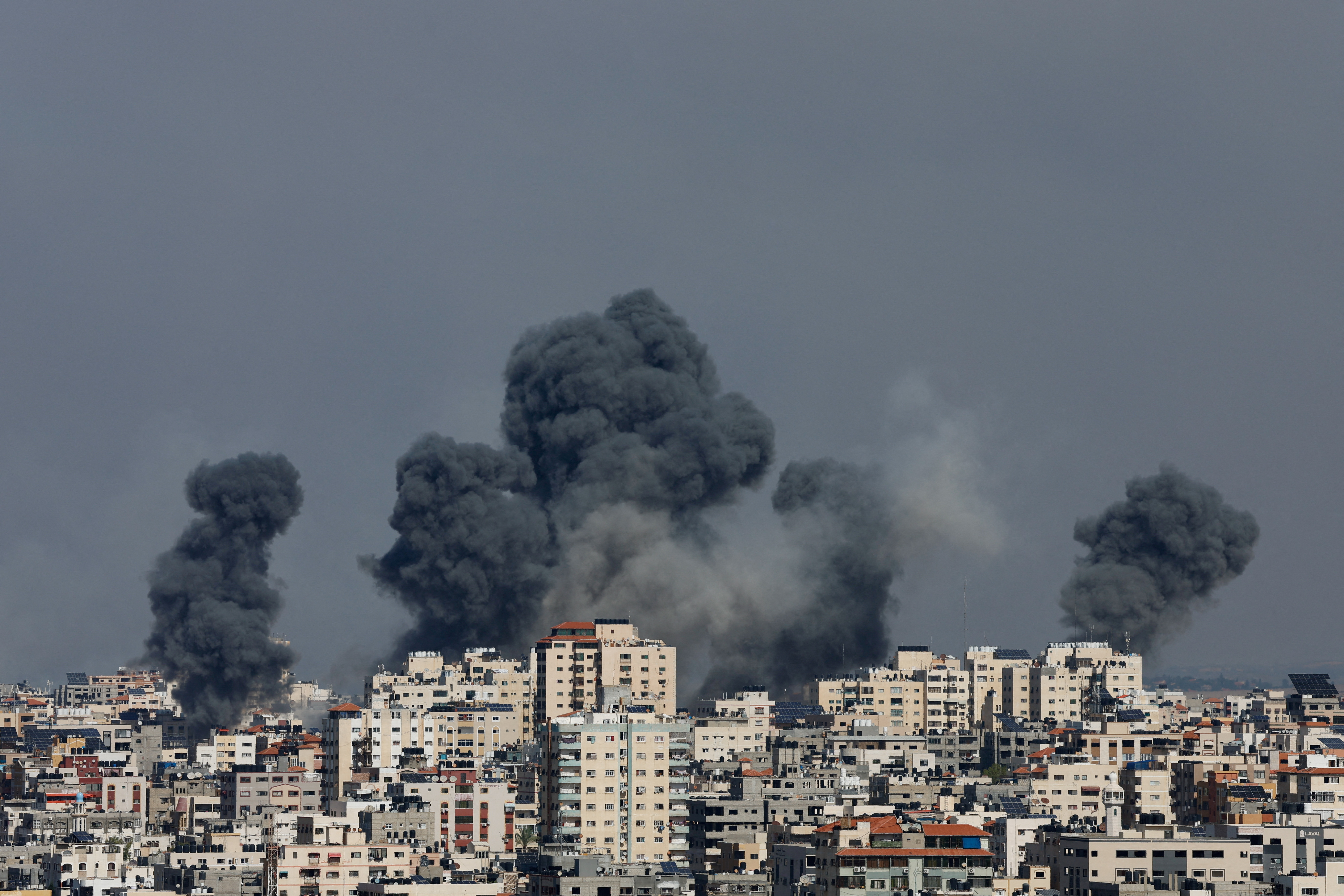
Was Toufan al-Aqsa horrible? Absolutely! 796 civilians were killed, including thirty six children. That is absolutely sad. A lot of security personnel were killed as well, but they don’t count: they chose to give their life to protect the colonial violence, so any sympathy should be muted. It was also sad that up to 85 white men, women and children were killed in the Nat Turner slave rebellion in 1831. It’s a shame it had to happen that way. The Mau Mau rebellion, in its attempt to rid Kenya of British imperialism, lead to ninety five British soldier deaths, plus up to three thousand native Kenyans who were fighting on the British side. That’s sad. It’s a shame it had to happen that way. Seventy five thousand French soldiers, forty five thousand British soldiers and twenty five thousand white colonialist died in the Haitian revolution from 1971 to 1804. That’s very sad. A lot of those people had kids! It’s a shame it had to happen that way. It’s a shame these people had to die. Often, legitimate struggles have ugly aspects to them.
And never – never! – has there been such a blow landed on an occupying force that was so asymmetrically superior to the colonised in history.
One searches in vain for a similarly sharp inversion of a similarly wide asymmetry in the annals of anti-colonial insurgency. The Tet Offensive has been invoked; but the Vietcong was a military force far better equipped than the Palestinian resistance. Guerrilla groups from Cuba to Kenya overwhelmed adversaries with superior resources, but their superiority was never anything like the Israeli on 6 October. The great affront of Toufan al-Aqsa was to shatter the complex of qualitatively superior military technology built up over two centuries: and because this must not be allowed, the punishment would have to be limitless.
Andreas Malm: ‘The Destruction of Palestine Is the Destruction of the Earth’
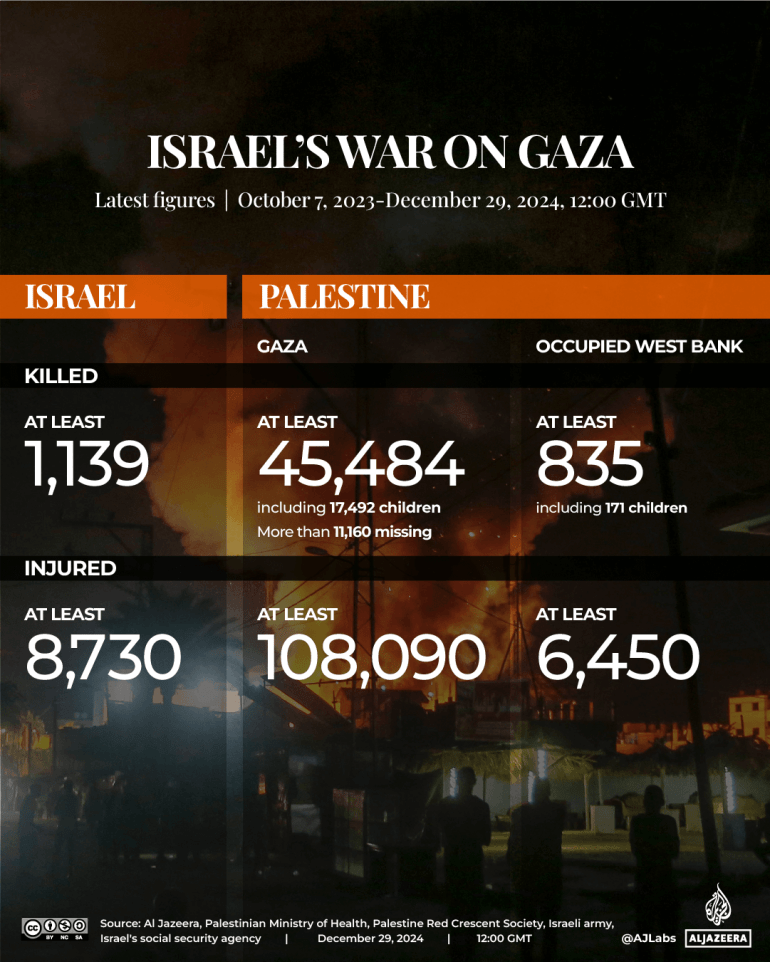
The state of Israel could have chosen to act differently after October 7th. It should have realised what extent their inhumane treatment of the Palestinians had lead to such horror. It could have taken back all the land that Hamas had seized during the attack, but then entered negotiations in order to end the horrors. Hamas even took 200 Israeli prisoners, with the rational thinking that surely Israel wouldn’t blanket bomb an area and risk murdering their own citizens. Hamas didn’t realise how bloodthirsty and destructive the response would be. Hamas had embarrassed both Israel and the Americans, and the response had to send a message to every single country in the Middle East: if you puncture our superiority, we will wipe out your entire civilisation. The continued massacre in Gaza is meant to send a message. And it has sent a message: no longer can people say that the Palestine question is too complicated or that there are good people on both sides. The Toufan al-Aqsa ensured that the whole world was no longer blind to the horrors in Palestine. Before October 7th, more than twenty thousand Palestinians had been killed by Israel since 2000. Here’s an article from September 2023 saying how ‘2023 marks deadliest year on record for children in the occupied West Bank‘. Did the world give a shit? Not really. Now, we know.
Do I condemn Hamas?
No. But it’s a shame it had to happen that way.
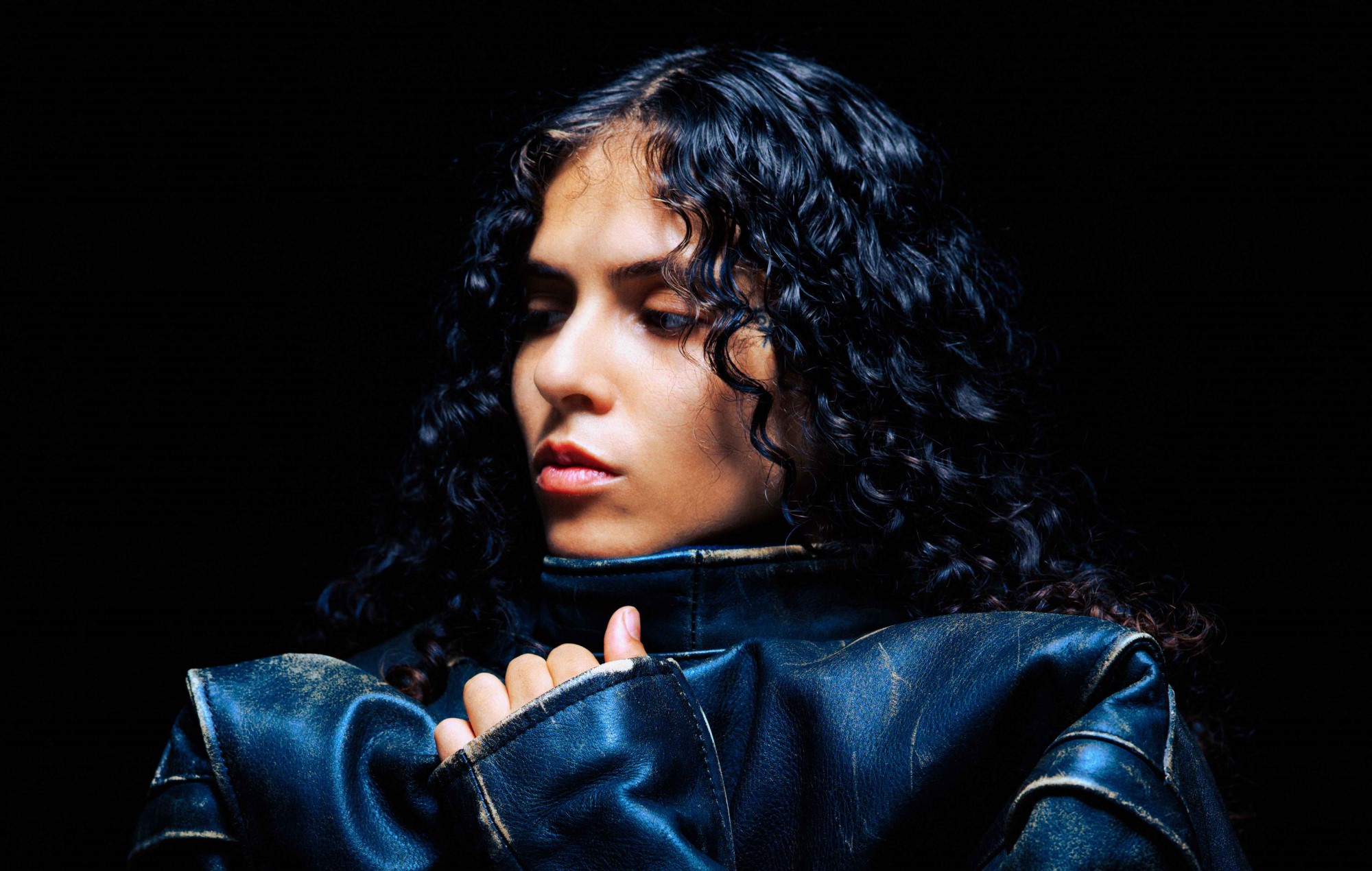
Sorry, Shaky Baby, but you’ve had two number one albums in the past, so you’ll forgive my little tangent to support Hamas and the legitimate struggle against colonial oppression? Yeeeeeeeeeeeeeah, we good.
‘Petrichor’ is another amazing album, and absolutely in the conversation for best of 2024. It loses out because it might be a little too lovey dovey in places, and even when Shake freaks up her loving with phrases like “And if I die, I want you to be the one to kill me/I want my blood on your hands“, I kind of demand the artists that I love live in constant pain and document that struggle for my entertainment. Sorry, Shake, but you must know the rules by now. There also isn’t a real, unarguable banger on here, with Shake more concerned with their freak flag flying rather than their pop nous shaking. Nonetheless, ‘Petrichor’ is a delightfully freaky and musically adventurous masterpiece, which is such a deep and multilayered piece of work it might just be losing out due to its late November release. It’s probably Shake’s least critically lauded album, with many reviewers rolling their eyes at Shake’s ultra emotional and often sentimental stylings, but:
Wow, super embarrassing for you, Shake
Geddafuggardahere!
Album Title as AI Image

Yeah, ‘petrichor’ means wet grass or some shit. Still better than the actual cover…
 Necessary Evil
4 thoughts on “#3 070 Shake: Petrichor”